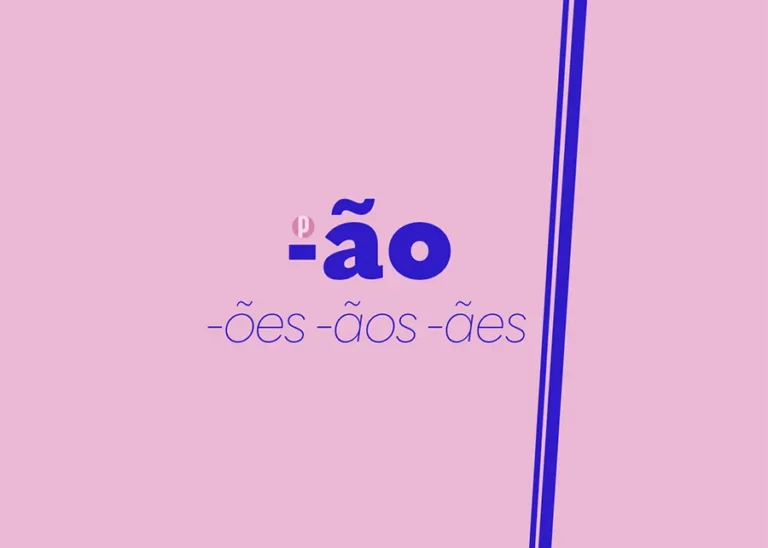
Plural Endings to Portuguese Nouns Ending in -ão
Nouns ending in the nasal diphthong ‘-ão’ are quite common in Portuguese. While one might assume these nouns form their plural by simply adding an ‘s’—resulting in…
Nouns ending in the nasal diphthong ‘-ão’ are quite common in Portuguese. While one might assume these nouns form their plural by simply adding an ‘s’—resulting in…
Nasal sounds are one of the most distinctive and challenging aspects of learning Portuguese. These unique sounds are a hallmark of the language’s phonetic system and play…

From pai to mãe, Portuguese diphthongs create distinctive vowel glides that give the language its musical quality.

When two vowel sounds blend within a syllable and nasal airflow is involved, we get nasal diphthongs—a distinctive feature of Portuguese pronunciation.
I often hear people say that Portuguese sounds quite different from other Romance languages—and they’re absolutely right! But what exactly makes European Portuguese pronunciation so unique? In…