A2

Portuguese Pretérito Perfeito
Want to talk about things that happened and are done? In Portuguese, the Pretérito Perfeito tense helps you express finished actions clearly

Want to talk about things that happened and are done? In Portuguese, the Pretérito Perfeito tense helps you express finished actions clearly

Accents in Portuguese aren’t just decorative—they’re powerful. They shape how words sound and even change their meaning, making them essential for clear communication.

In Portuguese, yes-or-no questions don’t need a special word order. They look just like regular statements—the difference comes from intonation, not structure.
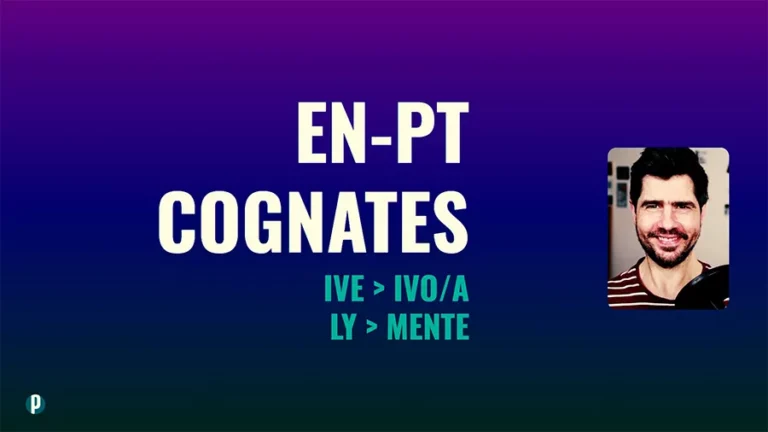
Thanks to English-Portuguese cognates, you can boost your Portuguese vocabulary overnight with minimal effort.

Portuguese distinguishes between two verbs for “to be”: 'ser' for permanent traits and 'estar' for temporary states. Choosing the correct one depends on the nature of what you're describing.
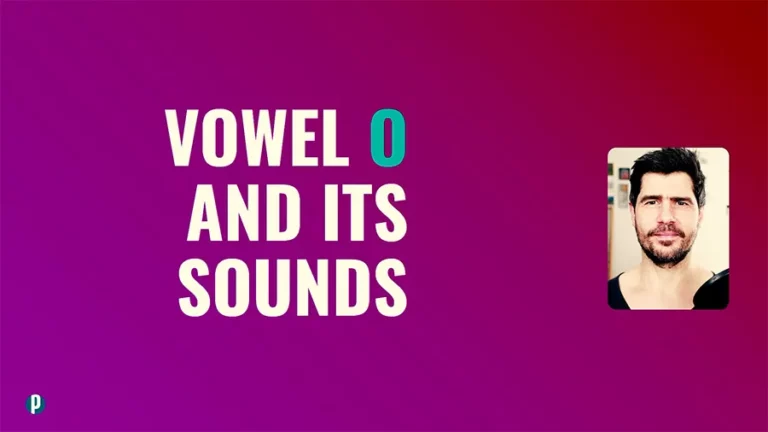
In Portuguese, the vowel 'o' has two main pronunciations: open (/ɔ/) and closed (/o/). Learning when each occurs helps you sound more natural and confident.
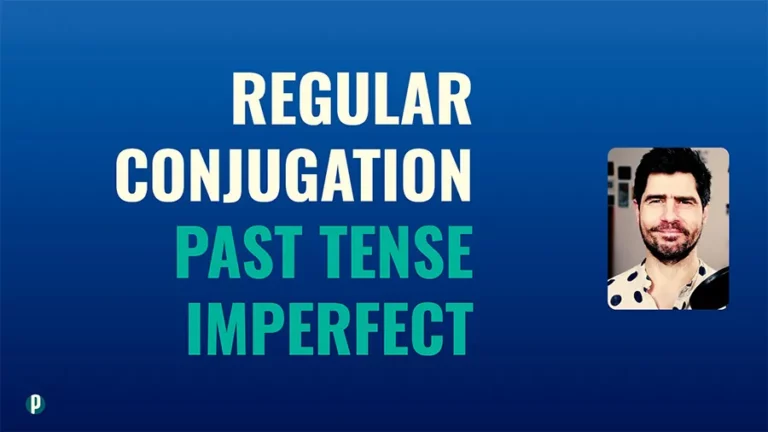
Regular verbs in the Pretérito Imperfeito tense follow predictable patterns that make it easier to describe past routines and ongoing situations.

Pronouncing the letter X in Portuguese can be tricky for language learners. Unlike in English, the letter X in Portuguese has four possible sounds.

The Portuguese vowel e isn’t just one sound—it’s a shape-shifter. Let’s explore the two main ways it’s pronounced and how to spot the difference.
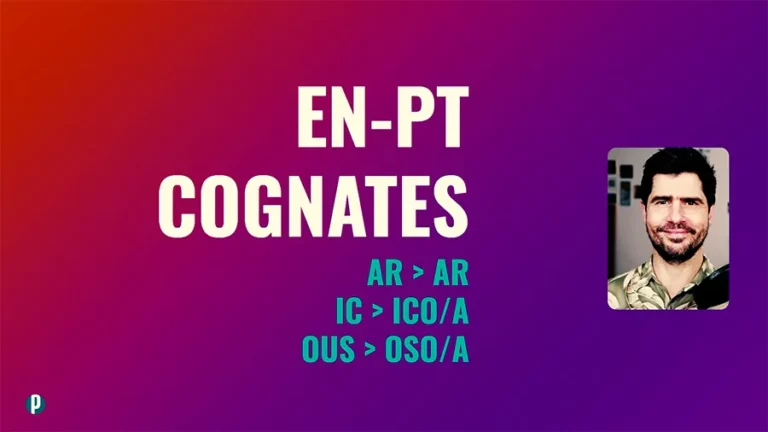
Thanks to English-Portuguese cognates, you can boost your Portuguese vocabulary overnight with minimal effort.

This lesson addresses the regular conjugation of Portuguese verbs in the Preterite (Pretérito Perfeito).

Mastering Portuguese ordinal numbers helps you talk about rankings, schedules, and steps with clarity and precision.

Mastering the two sounds of the Portuguese vowel a helps you pronounce words more naturally and avoid common mistakes.
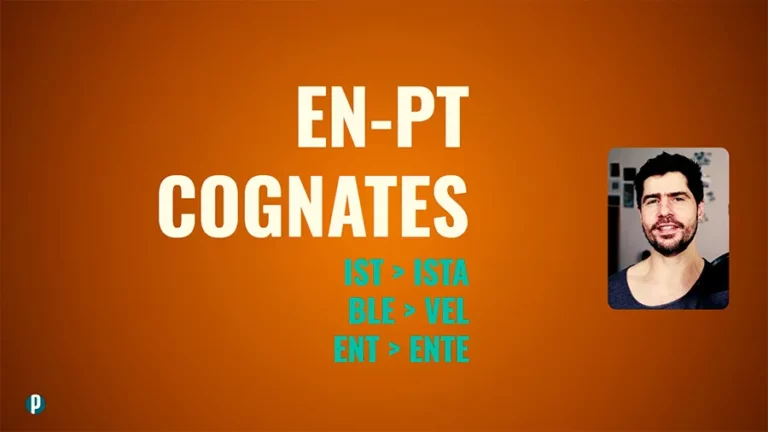
Thanks to English-Portuguese cognates, you can boost your Portuguese vocabulary overnight with minimal effort.

Being able to ask questions early on is key to keeping conversations flowing. That’s why learning Portuguese question words and understanding how interrogative sentences work is essential.

Familiarity with the Portuguese alphabet—its appearance and pronunciation—is a foundational step in learning the language.

Understanding word stress patterns is key if you're serious about improving your Portuguese pronunciation.

From 1001 to a million and beyond, Portuguese numbers follow logical steps that make even the biggest figures manageable.