Choice
A2

Boas festas
Feminine or masculine? Tick the options with the correct gender agreement.
Feminine or masculine? Tick the options with the correct gender agreement.
Mark the masculine words.

This lesson focuses on a group of words that don’t follow the usual gender pattern in Portuguese. These are words ending in “a” that are masculine. We’ll see when this happens and how to understand it.
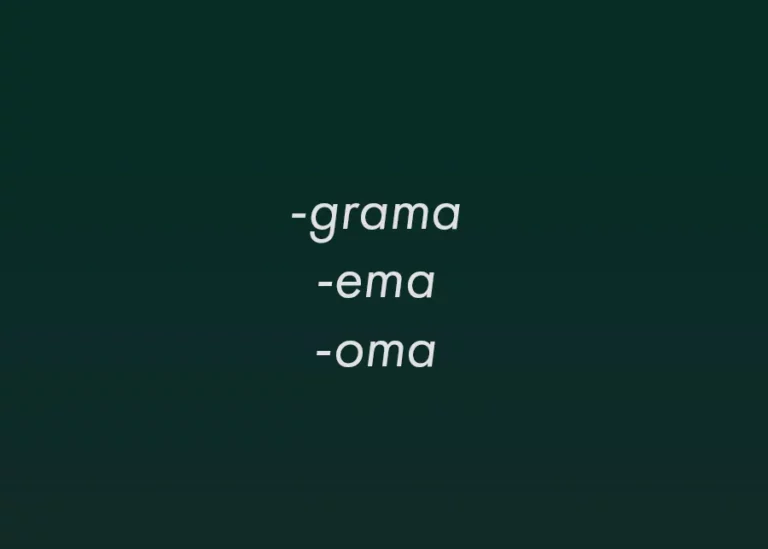
In Portuguese, nouns that end in ‘a’ are usually feminine. Words like mesa (table) or perna (leg) follow a stable and predictable pattern. However, there are exceptions—some…
Understanding how Portuguese nouns change from masculine to feminine (and vice versa) starts with recognizing the spelling cues built into the language.

Whether a noun is masculine or feminine in Portuguese determines how surrounding words like adjectives and pronouns must agree.

In Portuguese, as in other Romance languages, nouns are classified by gender—either masculine or feminine. However, this gender classification extends beyond nouns to adjectives, pronouns, and articles,…