
Portuguese Dialects: How Accents Change Across Portugal
From Porto to the Azores, Portuguese sounds different in every region. Listen to examples and learn the quirks that give each regional accent away.
From Porto to the Azores, Portuguese sounds different in every region. Listen to examples and learn the quirks that give each regional accent away.

In Portuguese, yes-or-no questions don’t need a special word order. They look just like regular statements—the difference comes from intonation, not structure.
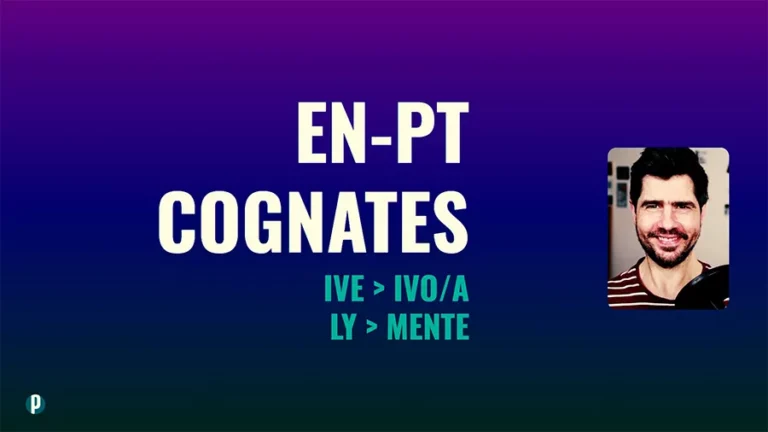
Thanks to English-Portuguese cognates, you can boost your Portuguese vocabulary overnight with minimal effort.
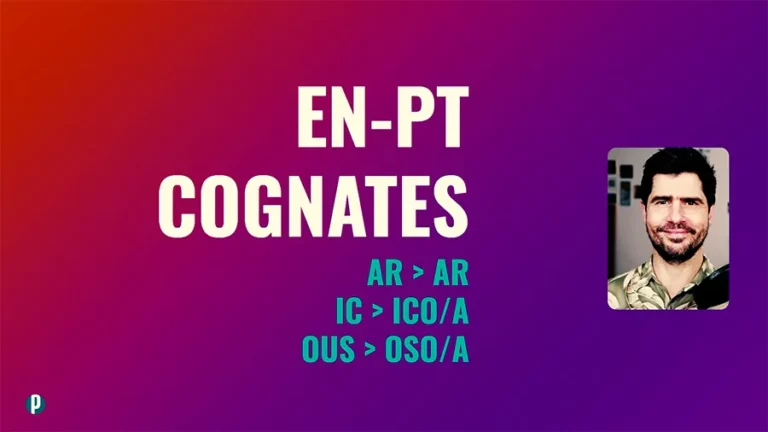
Thanks to English-Portuguese cognates, you can boost your Portuguese vocabulary overnight with minimal effort.

Mastering Portuguese ordinal numbers helps you talk about rankings, schedules, and steps with clarity and precision.
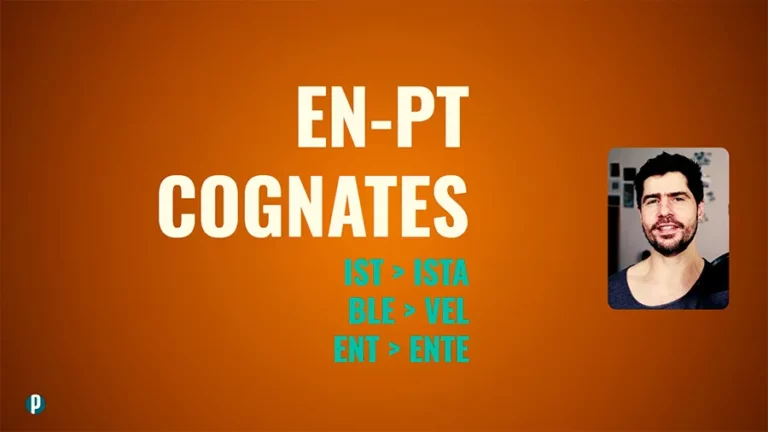
Thanks to English-Portuguese cognates, you can boost your Portuguese vocabulary overnight with minimal effort.

Being able to ask questions early on is key to keeping conversations flowing. That’s why learning Portuguese question words and understanding how interrogative sentences work is essential.

From 1001 to a million and beyond, Portuguese numbers follow logical steps that make even the biggest figures manageable.
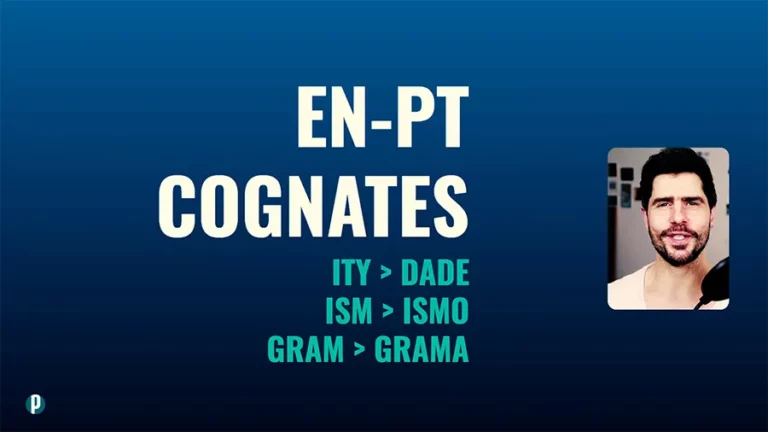
Thanks to English-Portuguese cognates, you can boost your Portuguese vocabulary overnight with minimal effort.

Learning to count from 101 to 1000 in Portuguese builds directly on what you already know—just add hundreds and keep going.
Thanks to English-Portuguese cognates, you can boost your Portuguese vocabulary overnight with minimal effort.

To say things like 'a book' or 'an apple' in Portuguese, you’ll need indefinite articles that match the gender and number of the noun.
Counting from 21 to 100 in Portuguese is all about combining tens and units—and it’s simpler than it looks.

Although it may seem redundant, it's common in Portuguese to use 'é que' right after question words.

Learning to count from 1 to 20 in Portuguese lays the foundation for everyday conversations—from telling your age to ordering at a café.

Definite articles in Portuguese are essential for marking known or specific nouns—and they change with gender and number.
Ever noticed how Portuguese sometimes puts question words like como at the end of a sentence? This lesson shows you how—and when—it happens.

The Portuguese word Como is way more than just a question word. In fact, I can think of 4 other ways of using Como! Let’s take a…