Choice
A2

Na próxima semana vou a Paris
Mark the correct options.
Mark the correct options.

Most Portuguese learners are well acquainted with hoje, ontem and amanhã, but get stuck when they need to say “last” and “next” with weeks, months, or years.…

This lesson explains how to talk about past, present, and future in Portuguese beyond “hoje”, “ontem”, and “amanhã”.
Mark the sentences that make a precise time reference.

You will learn five practical expressions for talking about possibility in Portuguese and understand which grammatical structure follows each one in everyday, natural usage speech.
Feminine or masculine? Tick the options with the correct gender agreement.

Portuguese nouns and adjectives ending in the letter l form the plural according to a small set of regular patterns. The key factor is the vowel that…
Do you know the patterns for forming plurals of words ending in L?

In this lesson, we focus on plural formation for words ending in L, grouping them logically so the rules are easier to understand and remember.

Learners usually meet sempre in its most common sense: a toda a hora, constantemente. In this meaning, it describes actions that happen repeatedly or habitually, as in…
Mark the sentences in which ‘sempre’ makes an implicit reference to a previous conversation.

In Portuguese, “sempre” can introduce a question that assumes earlier discussion. Here you will learn how this form signals continuity with a previous interaction.
Complete the sentences so that they make sense.
Complete the sentences so that they make sense.
Let’s practice telling adjectives and adverbs apart.
Mark the masculine words.

This lesson focuses on a group of words that don’t follow the usual gender pattern in Portuguese. These are words ending in “a” that are masculine. We’ll see when this happens and how to understand it.
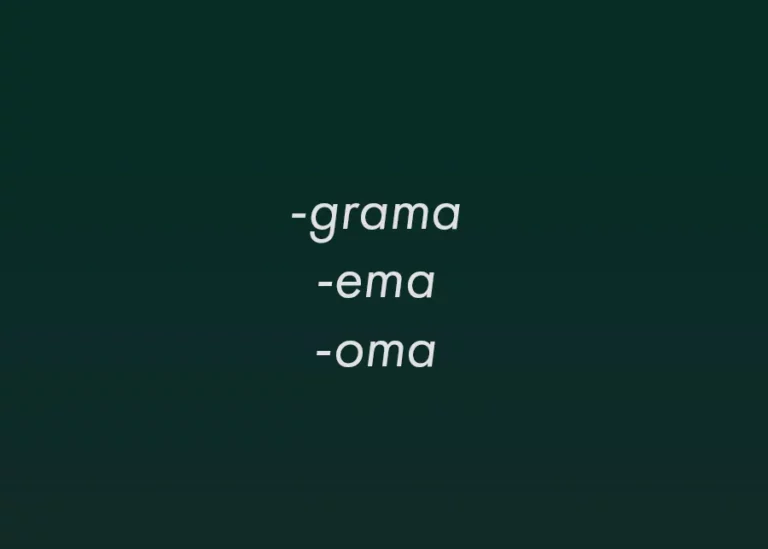
In Portuguese, nouns that end in ‘a’ are usually feminine. Words like mesa (table) or perna (leg) follow a stable and predictable pattern. However, there are exceptions—some…