
B1
negative consequencesvulnerability
Pôr-se a jeito
The expression "pôr-se a jeito" means to become vulnerable to criticism, problems, or negative consequences, often because of carelessness or naivety.
The phrases Portuguese speakers actually use
The expression "pôr-se a jeito" means to become vulnerable to criticism, problems, or negative consequences, often because of carelessness or naivety.

The expression "dar-se bem" means getting along well with someone or easily adapting to a situation. "Dar-se mal" means the opposite.

The expression "à parte" means separately or in private. It's used when something is set aside or discussed away from the main...

"Não dá" or "não vai dar" means that something won't be possible or isn't going to happen. It's used to show that...

The expression "aqui há gato" means that something seems suspicious or out of the ordinary. It's used when there are reasons to...

The expression "ter pinta" means having a unique style, charm, or good looks. It's often used to describe someone who stands out...

The expression "entrar em parafuso" means getting really stressed out, nervous, or losing control, often because of pressure or unexpected events.

The expression "que galo!" is used to show frustration when something annoying happens. It conveys a sense of irritation or disbelief in...

The expression "que lata!" is used to show surprise or annoyance at someone's boldness or rudeness. "É preciso ter lata!" is another...

The expression "ou vai ou racha" means you have to make a decision right away, with no room for hesitation. It's often...

The expression "coitado!" shows empathy and compassion for someone’s suffering or bad luck. It can also be used ironically, depending on the...
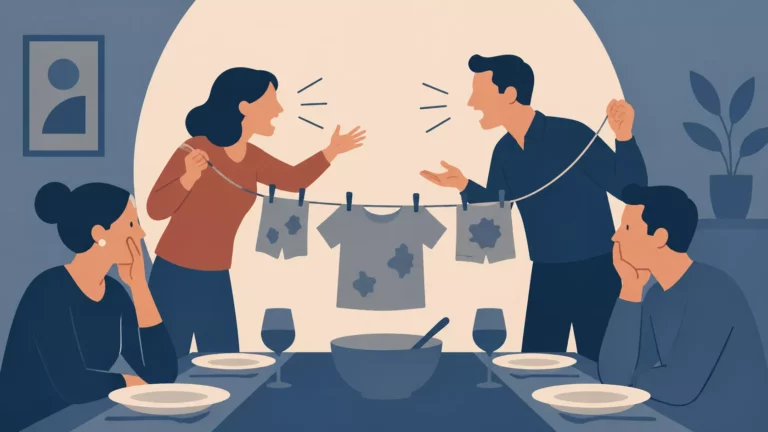
The expression "lavar a roupa suja" is used when someone talks about private conflicts in public.

The expression "maior e vacinado" means that someone is an adult and able to take care of themselves.

The expression "assobiar para o lado" is used when someone deliberately ignores something. It means that a person avoids acknowledging a problem,...

The expression "sem peneiras" refers to someone who speaks or acts in a very direct, unfiltered way. It suggests a blunt honesty...

The expression "a não ser que" introduces a situation that prevents something from happening. It's used to express exceptions or limitations.

The expression "dar nas vistas" is used to describe someone or something that stands out in a noticeable way.

The expression "chama-lhe um figo" is used to praise something that's especially tasty or enjoyable. It's an informal way to show strong...