
B1
current newsrecent changes
Novidades
"Novidades" is a broad term that refers to recent changes and events. "Notícias" specifically refers to current information provided by newspapers and...
The phrases Portuguese speakers actually use
"Novidades" is a broad term that refers to recent changes and events. "Notícias" specifically refers to current information provided by newspapers and...

"Pelo sim pelo não" means taking precautions—doing something "just in case" you end up needing it.
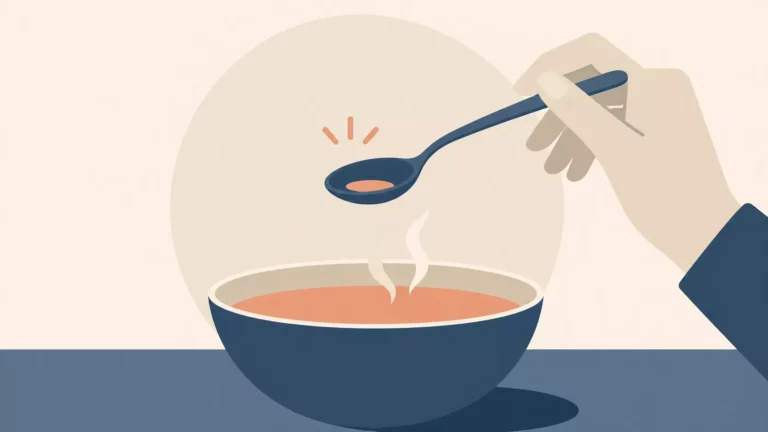
"Um nadinha" means a small amount of something.

In this context, "chega!" means "enough!" and is used to put an end to a conversation or behavior.

"Até ver" means "for now/so far." It refers to the current state of something, with a note of caution that things could...

"Sorte a tua" means "it was luck" or "you got lucky," and it's used as a reaction when something good happens to...

The expression "fazer figas" is used to wish someone luck and show support before something uncertain or important, like a test or...

In this context, "estar ansioso por" means looking forward to something good that's going to happen, like plans, events, or reunions.

"Se calhar" means "maybe," expressing uncertainty or possibility. "Calhar bem" (or "calhar mal") is about convenience: something happens at a good or...

"Saber bem" suggests a positive feeling. Depending on the context, it can refer to taste (like food) or to general comfort and...

"Fazer uma desfeita" means to let someone down and often involves a personal offense.

The metaphorical expression "tudo o que vier à rede é peixe" is used when someone isn't in a position to choose and...

"Torcer por alguém" means supporting someone and wishing them the best.

Depending on the context, "aborrecido" can mean "boring" or "annoyed/irritated."

The expression "combinado" is used to confirm an agreement or finalize plans. It shows that both parties are on the same page.