B1
anticipationanxiety
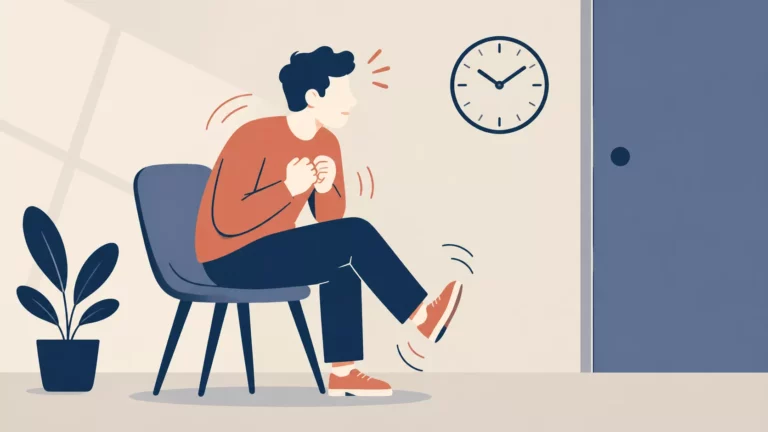
Estar em pulgas
The expression "estar em pulgas" describes someone who is restless, anxious, or excited, often unable to stay still. It conveys a sense...
The phrases Portuguese speakers actually use
The expression "estar em pulgas" describes someone who is restless, anxious, or excited, often unable to stay still. It conveys a sense...

The expression "meter o pé na poça" means to make a mistake or get yourself into trouble, often by saying or doing...

The expression "estar à rasca" (or "à rasquinha") is used when someone is in a tough spot, like when they’re out of...
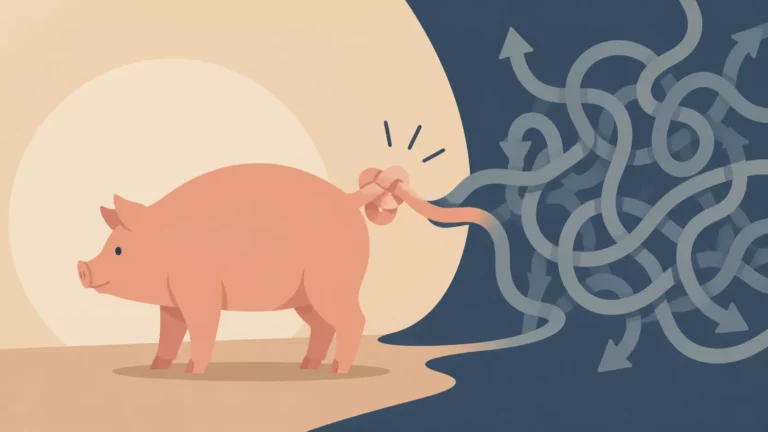
The expression "aí é que a porca torce o rabo" refers to the moment when things get complicated. It's used when a...

The expression "na boa" is a casual way to say that everything's fine and there are no problems or obstacles. Depending on...

The expression "chutar para canto" means to deliberately avoid dealing with something or to ignore it on purpose. It's often used when...

The expression "sem pés nem cabeça" is used to describe something that doesn't make sense, is illogical, incoherent, or absurd. It's used...

The expression "lançar achas na fogueira" means making an already tense and problematic situation even worse instead of trying to calm things...

The expression "nem tão pouco mais ou menos" is a strong denial or refutation. It emphasizes that something is absolutely not the...

The phrase "é capaz" is used to casually suggest that something is possible. It implies that something might be true, especially when...

The term "é pegar ou largar" refers to making a non-negotiable offer.

The expression "estar em maus lençóis" means being in serious trouble or in a tough, tricky situation.

"Desde que" can indicate the beginning of something, or it can set a condition. The meaning depends on the context.

"Por falar em" is used to bring up something related to the current topic or even to transition to a different subject.

The phrase "é canja" is a casual way of saying that something is very easy. It suggests that the task requires little...

The expression "ter a faca e o queijo na mão" means being fully in control of a situation. It implies that the...
The expression "feito a martelo" suggests that something was done in a hurry and carelessly. It implies poor quality and a lack...

The expression "xixi cama" refers to the way children talk and is used humorously by adults to signal that it's time to...