The phrases Portuguese speakers actually use

B1
expressing disbelief
Poupa-me
The expression "poupa-me" is used as a reaction to something absurd that someone says or does. It's used for nonsense, far-fetched plans,...

B1
slang approval
Altamente
"Altamente" is slang used to show excitement and approval. It's mainly used by younger people to react positively to news, plans, or...

B1
anticipationfuture events
Estar ansioso por
The expression "estar ansioso por" conveys anticipation and excitement, often about something that's going to happen.

B1
action promptmotivation
Bora lá!
The phrase "bora lá!" is a call to action. It's used to motivate someone to get started on something, whether it's a...

B1
avoiding responsibilityshifting blame
Sacudir a água do capote
The expression "sacudir a água do capote" is used when someone refuses to take responsibility and blames others instead. It's commonly used...

B1
overcoming challengessurvival skills
Safar-se
The verb "safar-se" refers to overcoming obstacles, difficulties, or challenges. It involves resourcefulness or survival skills.

B1
convenience
Altura
In this context, "altura" refers to a specific moment. We often use the expressions "boa altura" and "má altura" to say whether...
B1
bad choicesdifficult decisions
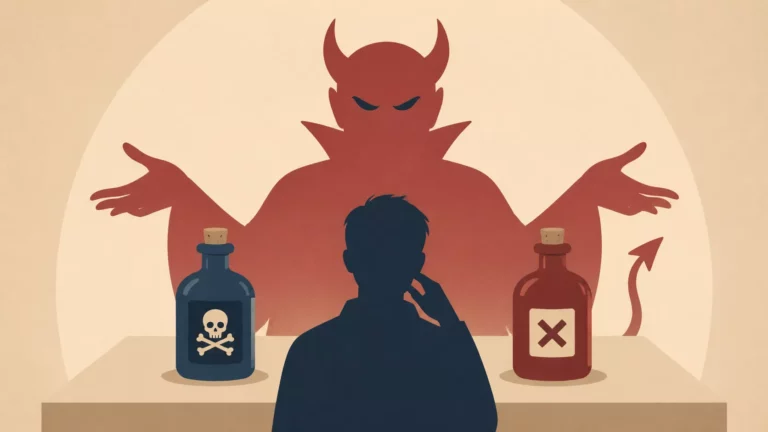
Venha o diabo e escolha
The expression "venha o diabo e escolha" is used when you're faced with a situation where all the options are bad.

B1
decisive moment
Hora H
"Hora h" refers to a decisive moment, often the critical point when something happens.

B1
approximation
Tipo
"Tipo" means category. However, in informal speech, it can also mean "approximately" or "more or less".

B1
exact agreementtruth emphasis
Sem tirar nem pôr
The expression "sem tirar nem pôr" emphasizes that what is being said is true.

B1
expressing doubtsarcasm
Pois pois
"Pois pois" is a sarcastic way to show doubt or disbelief. You can use this expression to mock exaggerated claims or obvious...

B1
exceptional qualityunique
Fora de série
The expression "fora de série" is used to describe someone or something that stands out in a remarkable way and goes beyond...

B1
expressing resignationmissed opportunity
Chapéu
The interjection "chapéu!" is used when something is suddenly lost or when you miss an opportunity. It suggests resignation.

B1
ability challengelack skill
Não ter unhas
The expression "não ter unhas" suggests that someone doesn't have the skill or ability to handle a challenge. It implies that the...

B1
natural abilityskill aptitude
Ter jeito
The expression "ter jeito" means having a natural talent or ability for something.

B1
abbreviation usageindefinite number
N (vários)
In this context, "n" is short for "número" and stands for an unspecified number of items.

B1
causal conjunctionlogical consequence
Daí
In this context, "daí" introduces a logical consequence or justification.