B1
convenienceeasy access
À mão
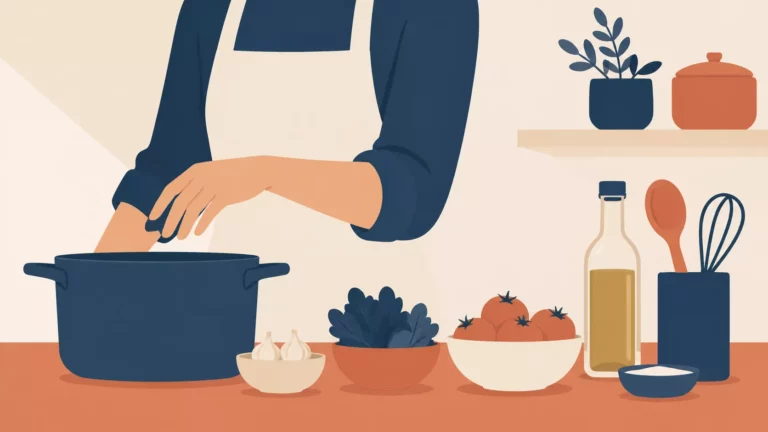
The expression "à mão" means that something is easily accessible and within reach. It implies convenience.
The phrases Portuguese speakers actually use
The expression "à mão" means that something is easily accessible and within reach. It implies convenience.
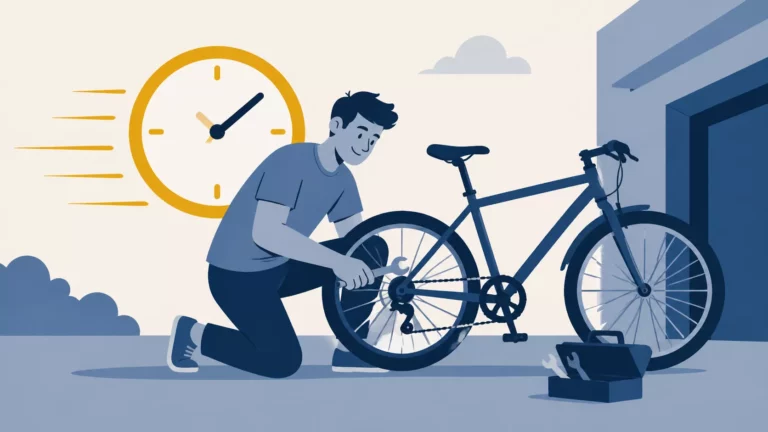
The expression "na hora" is used when something is done right away, without any delay or hesitation. It emphasizes being ready to...

The expression "em águas de bacalhau" refers to something that remains stuck or unresolved. For example, a plan that, for some reason,...

The expression "às moscas" describes a place that is empty or has no activity, like a store with no customers.

The term "o mau da fita" comes from movie slang and refers to the villain or antagonist in a story. In everyday...

The expression "já era sem tempo" is used when something you've been waiting for finally happens. It conveys a mix of relief...

The term "fazer-se de" implies hiding your true self. For example, it refers to someone who takes on a certain persona or...

The expression "dar em maluco" is used to describe someone who is emotionally upset or under pressure and about to lose control...

The phrase "podre de rico" is an emphatic way of saying that someone is extremely wealthy. It often carries a tone of...

The expression "que seca!" conveys boredom and frustration.

The expression "ter dor de cotovelo" is an idiomatic way to say that someone is jealous.

The expression "nem sequer" emphasizes that not even the bare minimum happened. It adds an emotional weight, often expressing neglect, surprise, or...

The expression "boa onda" is used to say that someone or something has a positive and pleasant energy.

The expression "pôr a conversa em dia" is used when two people get together to catch up and share stories and news...
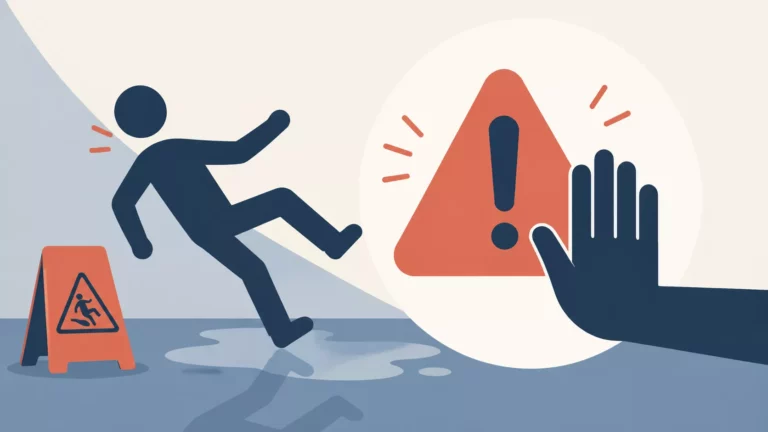
"Cuidado!" is an urgent warning used to alert someone to immediate danger. The phrase "ter cuidado" calls for paying attention and being...

The phrase "isso é que era" expresses a wish or excitement about an imagined scenario. It has a dreamy tone and is...

The expression "dar à graxa" means to flatter someone excessively, usually to get something in return. It has a critical tone and...

The expression "tudo menos" means that something turned out very different from what was expected or wanted. It suggests contrast and surprise,...