Choice

Ouves o /ʃ/?
Mark the words in which the letter x is pronounced with the /ʃ/ (“sh”) sound.
Mark the words in which the letter x is pronounced with the /ʃ/ (“sh”) sound.
Mark the word in which the letter x is pronounced with the sounds indicated below.
Which sound do you hear in each word, /e/ or /ɛ/?
Mark the words with the /ɛ/ sound.

In European Portuguese, the vowel e can represent several different sounds, depending on position and stress. This article does not cover all of them.Here, the focus is…
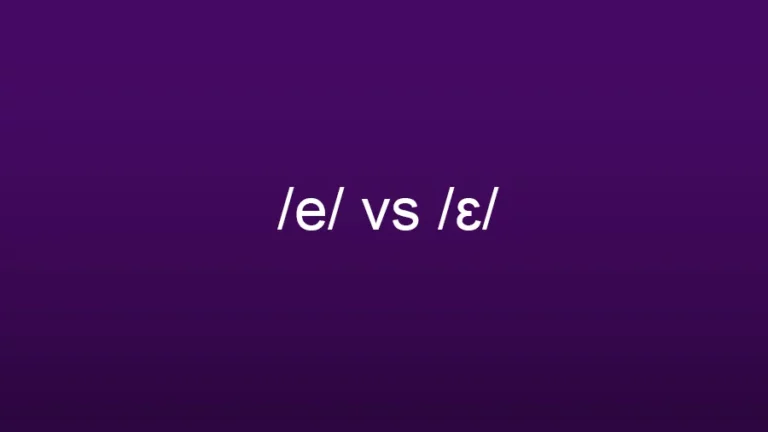
In this lesson, you will learn to distinguish between the two stressed e sounds in European Portuguese and understand when e is pronounced closed or open.
Pick the word according to its s-sound.
Which letter do you hear?
Which of these words has the /ɔ/ sound?

In European Portuguese, the vowel o has two common stressed pronunciations: the relatively closed /o/ and the more open Although both sounds occur only in stressed…

This lesson highlights a useful pronunciation pattern involving the vowel “o,” helping you distinguish how its sound changes in masculine and feminine adjective pairs.

In this lesson, we explore the unstressed “e” that produces the vowel /ɨ/, a central element of European Portuguese phonetics. Understanding this sound will help you achieve clearer, more natural and accurate pronunciation.

European Portuguese contains several closed vowels, and the sound /ɨ/ is one of the most characteristic. It is extremely common in everyday speech and sits at the…
Which of these words has the sound /ɨ/?
In European Portuguese, the letter M can produce two distinct sounds: [m] or [ŋ]. Let’s break this down: Companion read Related Articles Lessons Blanks Ouves o /ʃ/?…
The sound of M in European Portuguese isn’t always what you expect—it shifts depending on what comes next.
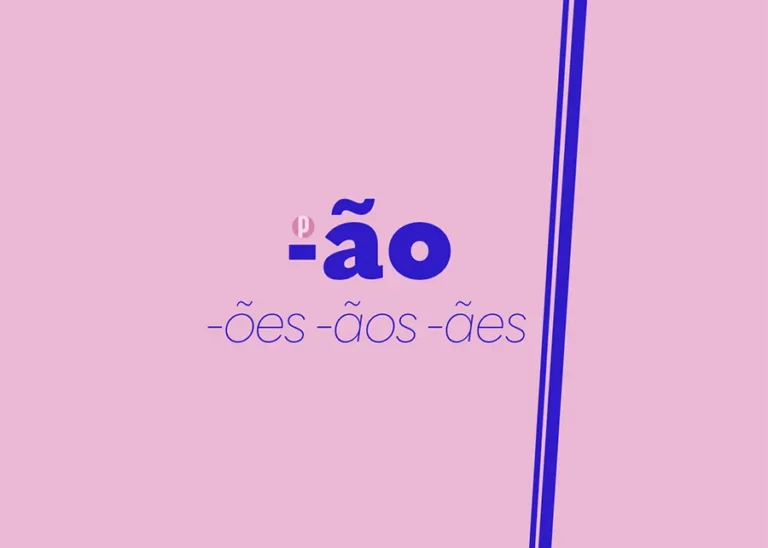
Nouns ending in the nasal diphthong ‘-ão’ are quite common in Portuguese. While one might assume these nouns form their plural by simply adding an ‘s’—resulting in…

When vowels meet across word boundaries in Portuguese, they don’t always stay separate—connected speech reshapes them.