B1

Por tudo e por nada
The expression "por tudo e por nada" is used to criticize people who complain or get annoyed about anything, for no real reason and in an exaggerated way.

The expression "por tudo e por nada" is used to criticize people who complain or get annoyed about anything, for no real reason and in an exaggerated way.
"Foi-se" means a sudden loss or a missed opportunity. Common alternatives include "já era", "ardeu", "esquece", and "fodeu-se" (slang).

"Ter em vista" means having a goal, plan, or intention in mind.
"Por acaso" introduces disagreement or opposition to an idea. In another context, it can express coincidence or randomness.
"Aproveitar" means taking advantage of an opportunity or making good use of resources. "Aproveitar-se" is taking advantage of someone, with an exploitative meaning.
In this context, "aí" means "then/in that case." It introduces the consequence of an action or the step needed to achieve a goal.
This structure repeats the verb to emphasize a possibility, but then sets a limit or introduces a drawback—it's like saying, "yes, but..."
"Era só o que faltava" expresses outrage and is used when something seems excessive, unfair, or absurd.
Depending on the context, "já agora" can mean "by the way," introducing something related to what was just said. It can also express refusal or indignation, like saying "no way."
"Ficar sentido" means to feel hurt or offended because of disappointment, neglect, or a personal slight. It suggests that someone is taking something personally.
"Questão" can mean "question" or "topic/subject". The context determines which one.
"Ela por ela" means that two options are equivalent, with only minimal or irrelevant differences. "Dar por ela" is used when someone realizes or notices something.
"Apetecer" followed by an object pronoun ("me", "te", "lhe") expresses a wish or desire.
The expression "cortar-se" is used when someone backs out or cancels something at the last minute. It usually has a critical tone.
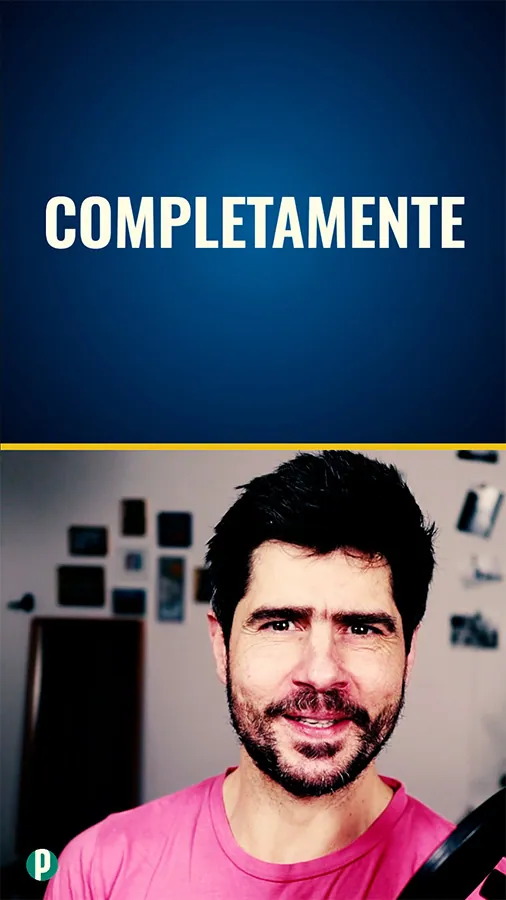
The expression "completamente" is used to agree with someone or something without any hesitation or reservation, just like "sem dúvida".
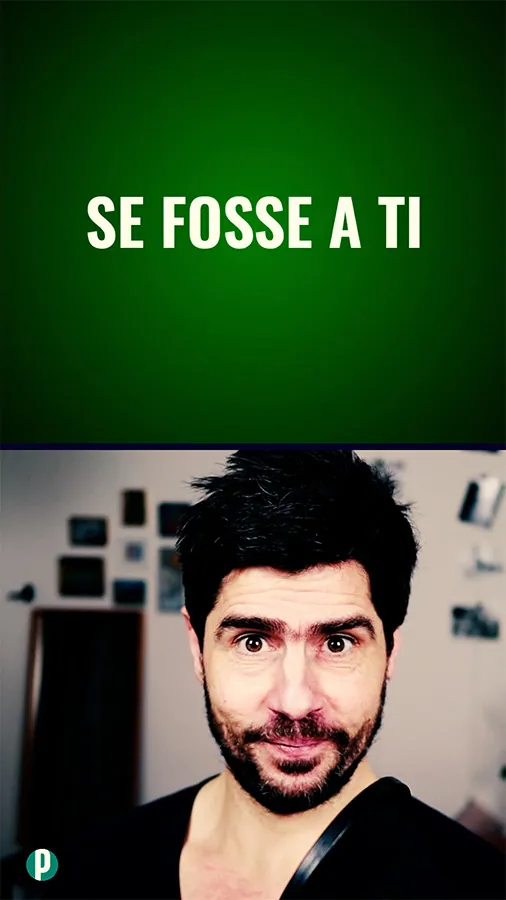
"Se fosse a ti" means "if I were in your shoes." It's used to give advice or make a suggestion in a gentle, indirect way.
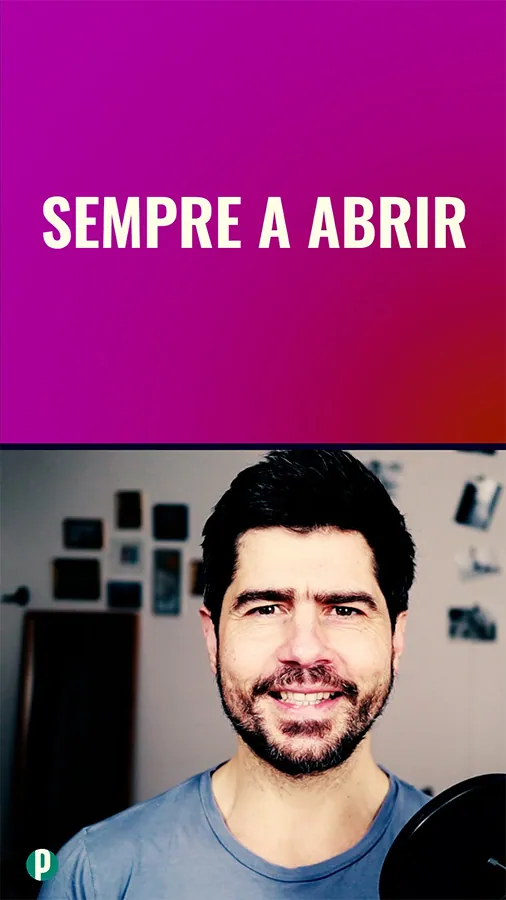
"Sempre a abrir" means going full speed or "all out." It describes times of intense, fast-paced activity, often with great results.

"Treta" or "tretas" means lie or nonsense. It's used to show skepticism and disbelief.