B1

A morte do artista
A morte do artista usa-se quando alguém, por ação ou decisão própria, causa o fim abrupto de algo que corria bem

A morte do artista usa-se quando alguém, por ação ou decisão própria, causa o fim abrupto de algo que corria bem

This expression describes a very narrow margin—something that happened, or didn't happen, almost by a miracle.

"Ter uma branca" means having a sudden mental blank — losing momentary access to a word, thought, or piece of information. Informal.

"Às três pancadas" describes something done carelessly or without quality. Used to criticize poor work or improvised solutions. Depreciative tone.
"À sombra da bananeira" describes someone coasting through life without working or contributing, while others put in the effort. Informal, usually critical.

"No cu de Judas" describes a place that is very far away and hard to reach. Vulgar, common in informal spoken Portuguese.
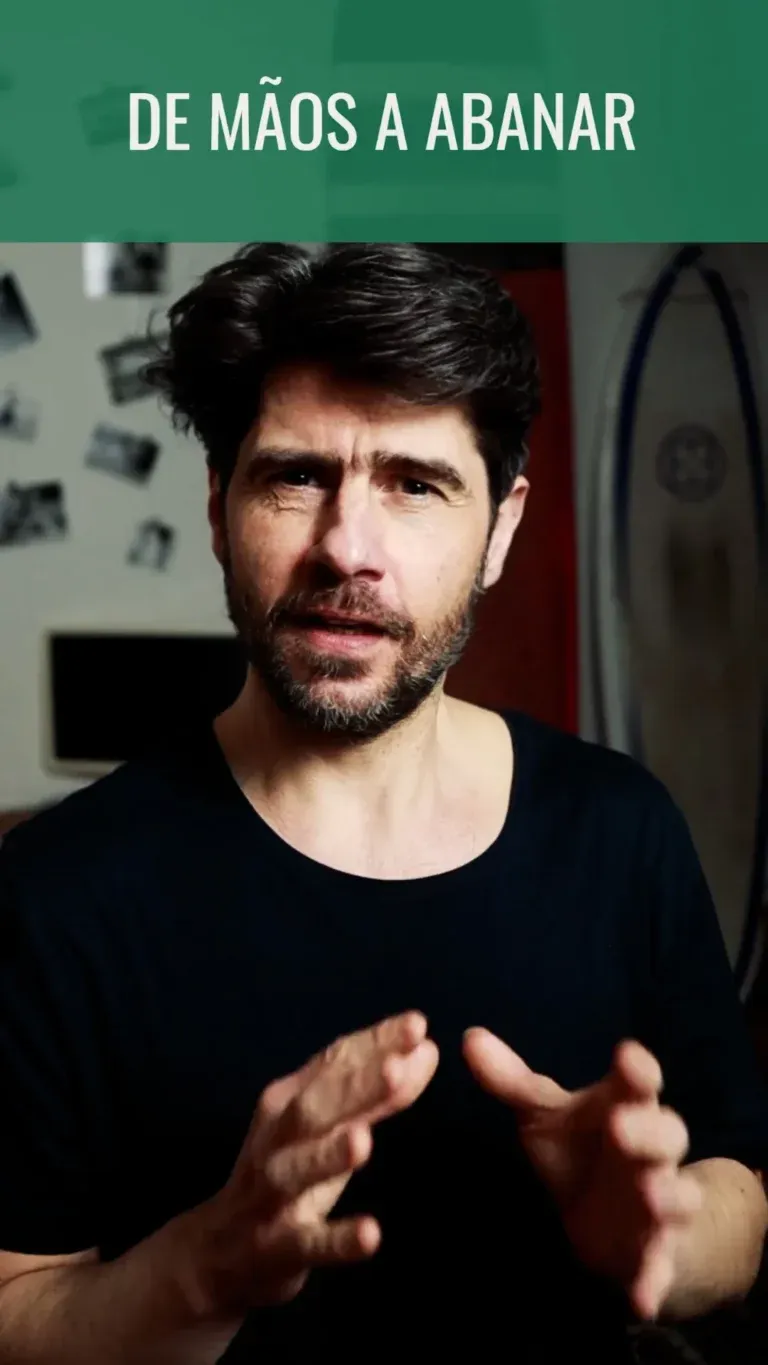
"De mãos a abanar" means arriving or leaving with nothing — no result, no purchases, or showing up to a visit without a gift.
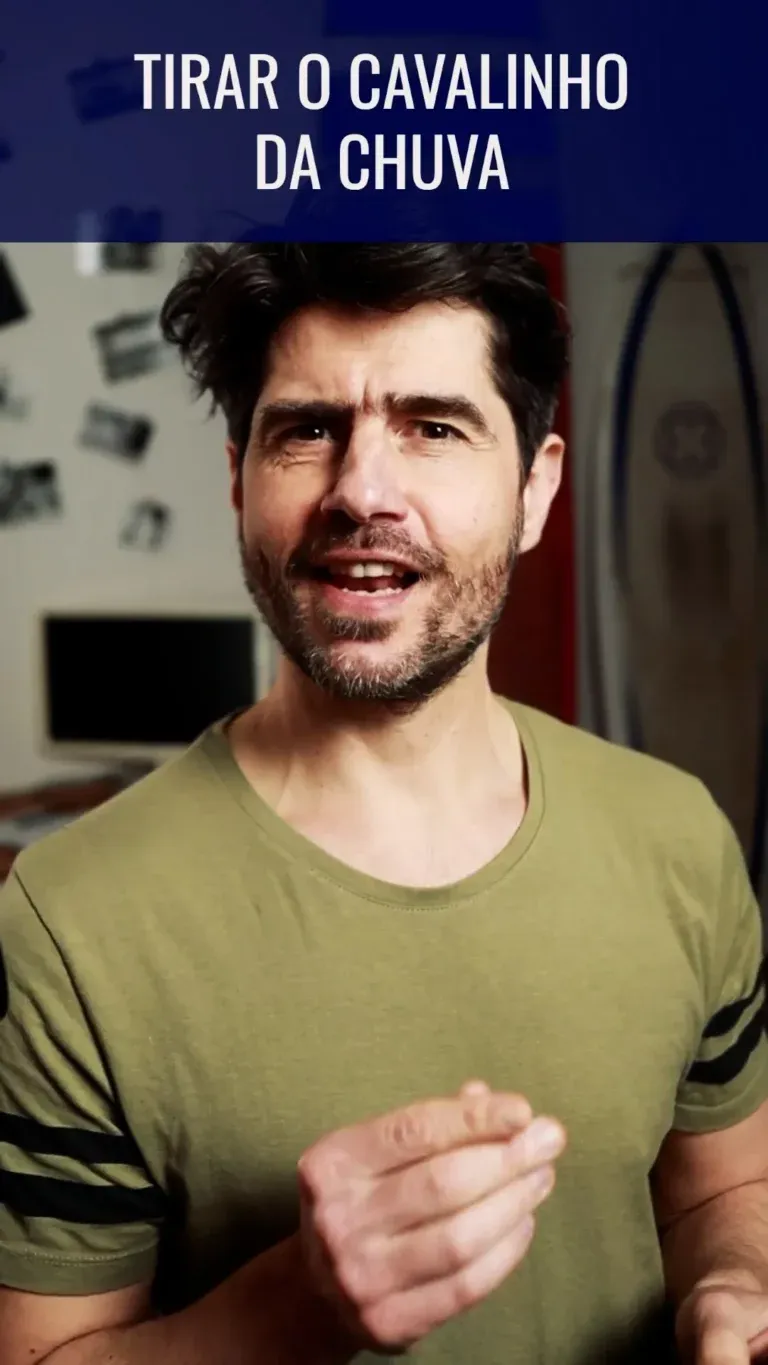
This expression is used to dash expectations in a clear and informal way.
“Tacho” means a comfortable, advantageous job or post, usually suggesting favoritism, connections, or weak merit.
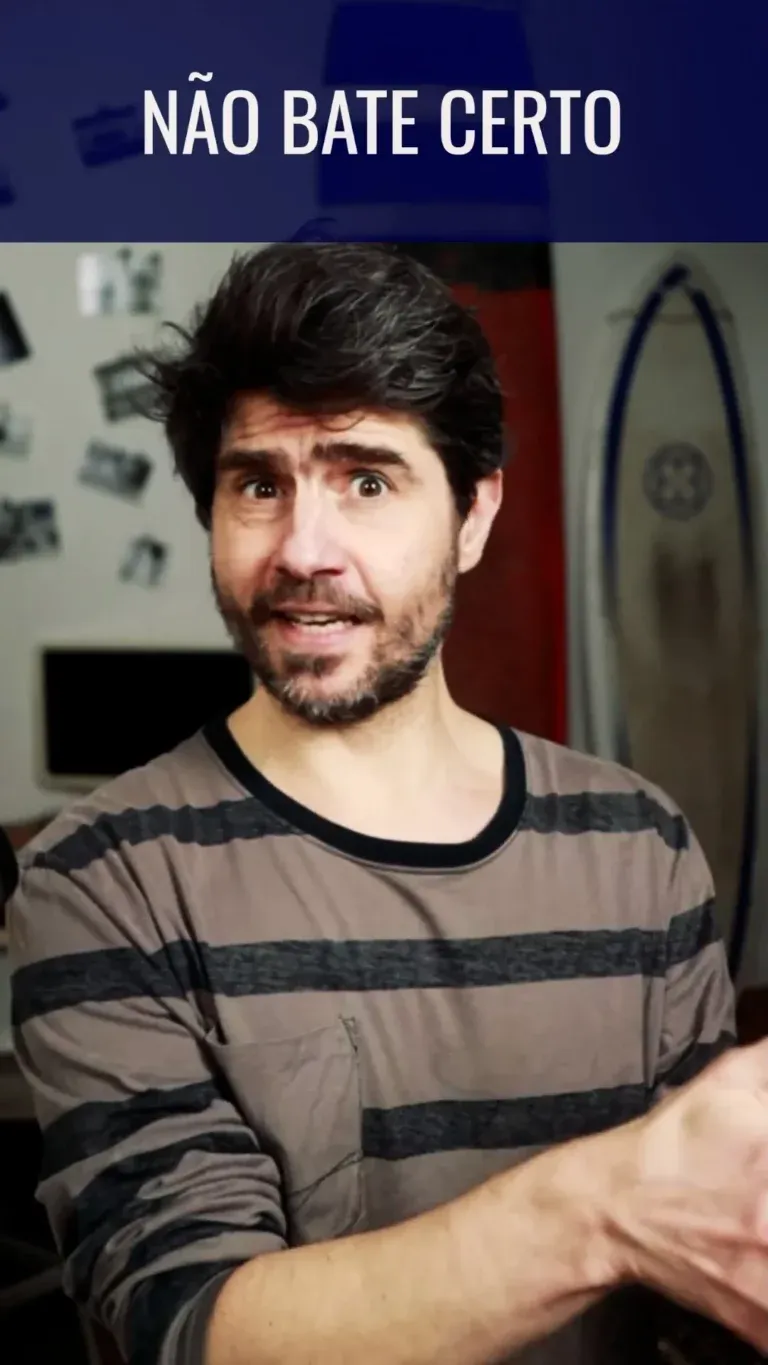
“Não bate certo” means something doesn’t make sense, doesn’t fit, or seems inconsistent.
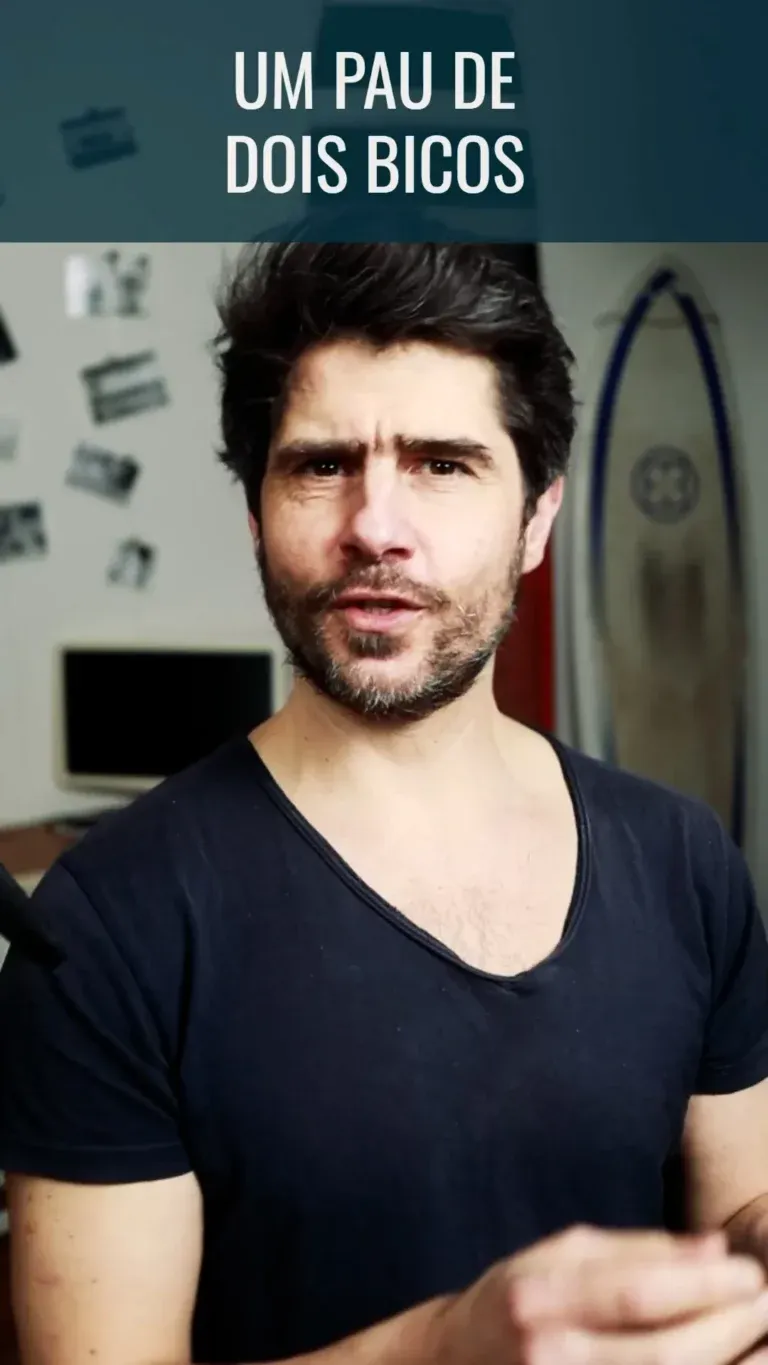
The expression is used to talk about a situation with one positive side and one negative side, or one that can bring both advantages and drawbacks at the same time.
“Vira o disco e toca o mesmo” can be used when someone keeps bringing up the same topic over and over again, usually in a tiresome or annoying way
"Levar a mal" means to take something as an insult and feel hurt by it. It's used to describe a negative reaction or to ask someone not to take offense.
"Perder as estribeiras" means losing control and reacting with anger or irritation, often suddenly, in stressful or frustrating situations.
"Dar-se ao luxo" means allowing yourself an extra (whether it's time, money, or options) that most other people don't have access to. It implies privilege.
Being "apanhado com as calças na mão" means getting caught off guard or in the act. It's mostly used in awkward situations.
"Mãos largas" is usually used in a critical way: it describes someone who spends money too easily and without much self-control.
"Vale a pena" is used when the effort or cost of doing something is justified by the benefit it brings.