B1
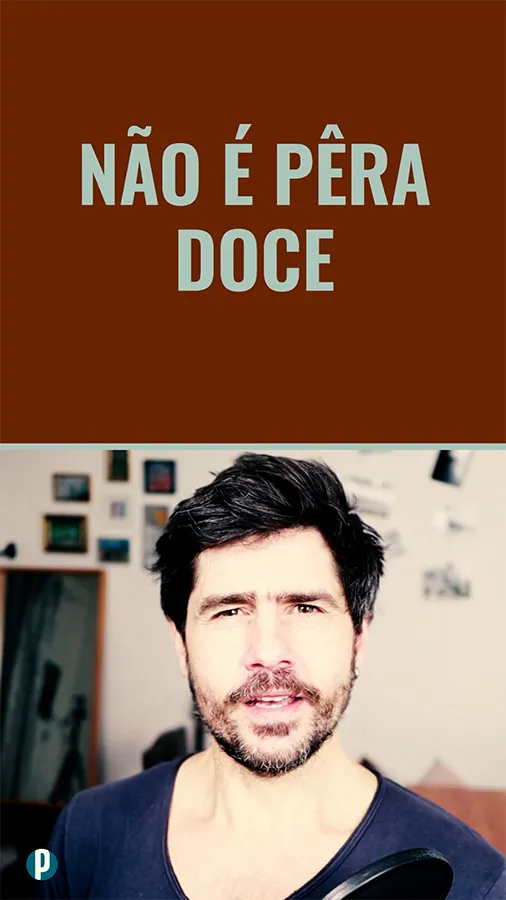
Não é pêra doce
The phrase "não é pêra doce" is used to say that something is difficult and requires sacrifice. It has a humorous tone.

The phrase "não é pêra doce" is used to say that something is difficult and requires sacrifice. It has a humorous tone.

The abbreviation "q b" stands for "quanto baste". It's often used in recipes to show that the amount of an ingredient, like salt or pepper, should be adjusted to your own taste or preference.

The expression "conversar com os botões" brings to mind someone talking to themselves, often in a calm or introspective way. It's a poetic way to describe moments of solitary reflection and inner dialogue.
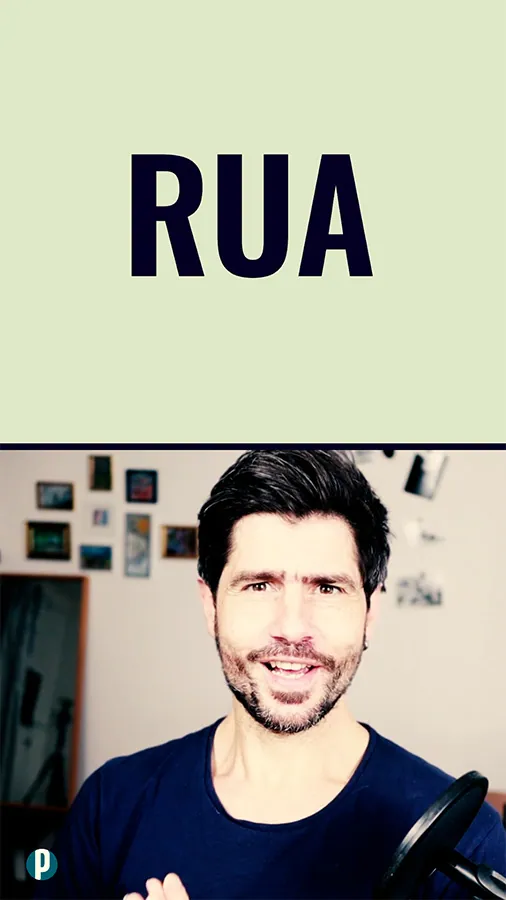
The expressions "rua", "fora", and "desaparece" are different ways of expressing the same idea: telling someone assertively to leave. These phrases are usually used in tense situations.

The expression "estar a braços com" conveys the idea of being deeply involved in a difficult or demanding situation. It's often used when someone is dealing with problems, responsibilities, or challenges.
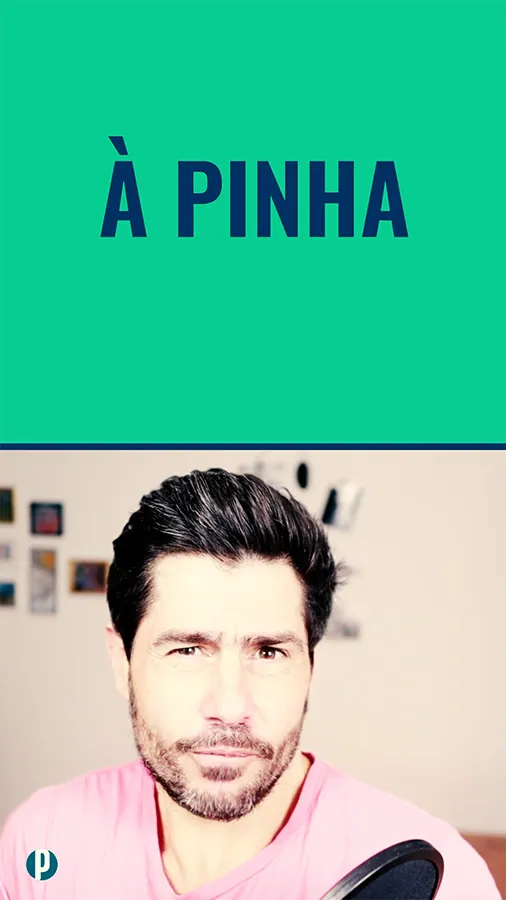
The expression "à pinha" is used to describe a space that is very full or overcrowded.

The expression "passar a noite em branco" means staying up all night without sleeping. It's often used when someone is restless, working late, or worried about something. It conveys exhaustion from lack of sleep.

The expression "acertar em cheio" means to hit the target accurately, either literally or figuratively. For example, you might use it when someone makes a spot-on comment or achieves a goal exactly as planned. It conveys the idea of precision and success.

The terms "carcanhol", "massa", "cacau", "guito", and "pastel" all refer to money.

The expression "falar pelos cotovelos" is used to describe someone who talks excessively and just won't stop.

The expression "pão pão, queijo queijo" refers to speaking clearly and directly. It's used to describe people who say things as they are, without beating around the bush.

The expression "sem mais nem menos" is used when something happens suddenly, without warning or explanation. It conveys surprise or abruptness.
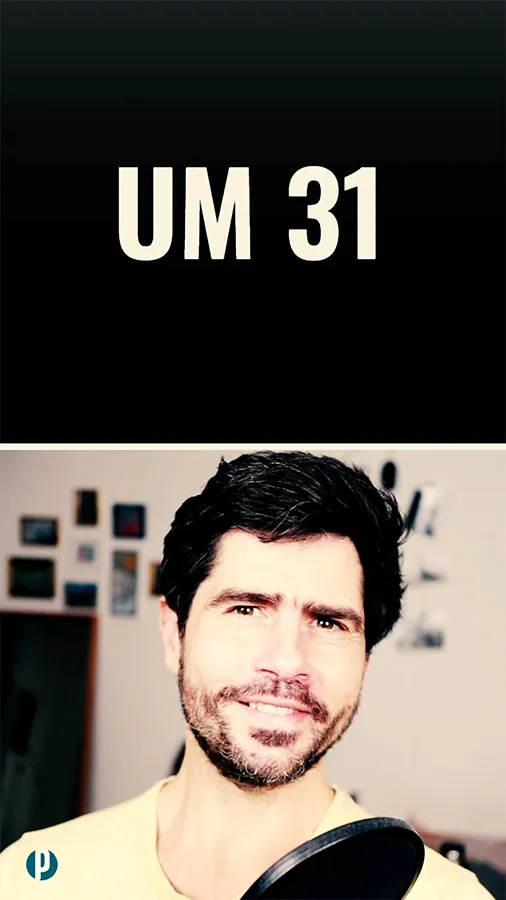
The expression "um 31" refers to a complicated or confusing situation. It's used for problems, confusion, or a tough dilemma.
The expression "pôr água na fervura" means to calm down a tense situation. It's used for conflicts and emotional states that are out of control.

The phrase "nem mais nem menos" expresses accuracy, without exaggeration or omission.

The expression "pelos cabelos" describes someone who is extremely annoyed or overwhelmed by something.

The expression "à mama" suggests that someone is getting something without effort and at the expense of others. It's often used critically and implies dependence or exploitation.

The expression "tiro e queda" refers to something that works instantly and reliably. It's used for solutions or actions that never fail.